Fieldwork
Recognizing the significance of the built heritage and art collections belonging to the Transylvanian Reformed congregations, the Transylvanian Reformed Church District made several attempts during the 20th century to compile a comprehensive inventory of these holdings. The first attempt took place in 1904, at the request of the Board of Directors, when the lists intended for the newly established Monuments Committee were compiled by the ministers and wardens of the congregations. The reliability of their content varies, since the people who carried out the survey were not specialists. Considerably more professional work was carried out by László Debreczeni (1903–1986) between 1928 and 1936, who recorded or sketched monuments and art objects in 512 localities of the church district at that time. His legacy, comprising 2,200 sketch sheets, was supplemented by roughly 750 photographs taken in the 1930s by Ákos Darkó (1888–1958). In 1948, a brief inventory in Romanian was compiled, listing movable property alongside real estate. On state instructions, in the 1970s, employees of the county museums were ordered to register objects of historical significance kept at the congregations. It may be related to this that, in 1971, the Reformed Church District had a further inventory drawn up. Nevertheless, by the 21st century the Transylvanian Reformed Church District still did not possess reliable, professional knowledge covering all congregations regarding the movable property in their ownership.
From the 2000s onward, several surveys were launched through which the movable property owned by the Transylvanian Reformed congregations came to be registered, partly or wholly. These research projects were not initiated at the request of the Transylvanian Reformed Church District; rather, a group came together thanks to the individual professional interest and determination of a few young researchers, who secured, through various grants and funded projects, the financial means necessary to carry out the surveys. The group was led by Dr. Dezső Buzogány, professor of theology, who had earlier initiated the transcription and publication of the surviving 17th–18th century deanery visitation records. To illustrate the volumes, he photographed and published surviving material objects from several parishes. University and doctoral students joined this work in the persons of the theologian Sándor Előd Ősz and the historian Levente Tóth. In the course of transcribing the sources, the need arose for a proper scholarly catalogue of the objects mentioned in the texts. Thus, in 2005, the research group was joined by the art historians Mária-Márta Kovács and Iringó T. Horváth, who undertook the identification, documentation, and study of period movable property. The group’s first joint project took place in the former Hunyad-Zaránd region (Hunedoara–Zarand), followed by research into the surviving material preserved in the congregations of the historical Chapter of Nagysajó (Șieu–Odorhei), and then work on the documentary and object material of the historical Reformed Deanery of Küküllő (Târnave). During this latter research, the professional survey of organs was carried out by Dávid Sipos. In 2012, members of the research group founded an association called the Pokoly Society (Pokoly Társaság), named in reference to the work of József Pokoly, author of The History of the Transylvanian Reformed Church, theology professor and church historian.
Alongside the projects led by Dezső Buzogány, from 2007 onward, group members Levente Tóth, Mária-Márta Kovács, and Iringó T. Horváth joined the survey titled Ecclesiastical Monuments in the Carpathian Basin (Egyházi műemlékek a Kárpát-medencében), submitted by the Directorate of the Hajdú-Bihar County Museums in Debrecen, funded by OTKA (the Hungarian National Research Fund), and led by Emőke P. Szalay. The inventory, covering the full real and movable property of the congregations, was carried out in the territory of the Reformed Deaneries of Erdővidék, Kézdi-Orbai, and Sepsi until 2011. This was followed, between 2013 and 2017, by the project Survey of Ecclesiastical Heritage in the Carpathian Basin (Egyházi emlékek felmérése a Kárpát-medencében), during which research was conducted in the congregations of the Reformed Deanery of Görgény (Gurghiu). At this point, Sándor Előd Ősz also joined the research. The third project, titled Survey and Research of Ecclesiastical Heritage in the Carpathian Basin (Egyházi emlékek felmérése és kutatása a Kárpát-medencében), covered the territory of the historical Reformed Deanery of Dés (Dej).
The year 2014 marked a turning point, when the Board of Directors of the Transylvanian Reformed Church District passed a resolution to establish the museum; subsequently, in 2016, its building was designated and museologists were hired in the persons of Mária-Márta Kovács and Iringó T. Horváth. This marked the beginning of the professional documentation, organization, and protective packaging – for conservation purposes – of the congregations’ archival material and museum-quality objects across the entire church district. This work was carried out by the Pokoly Society using funds won through a grant from the Reformation Memorial Committee (Reformáció Emlékbizottság); the financial framework for the research was provided by the Transylvanian Reformed Church District.
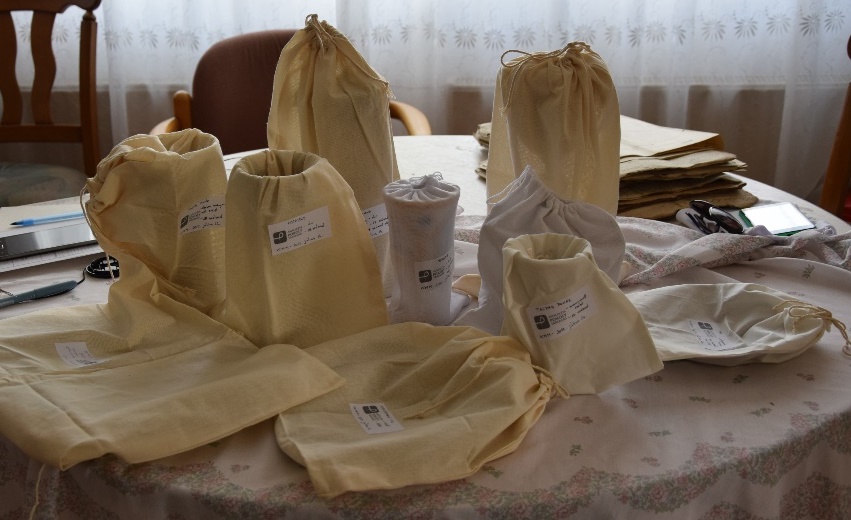
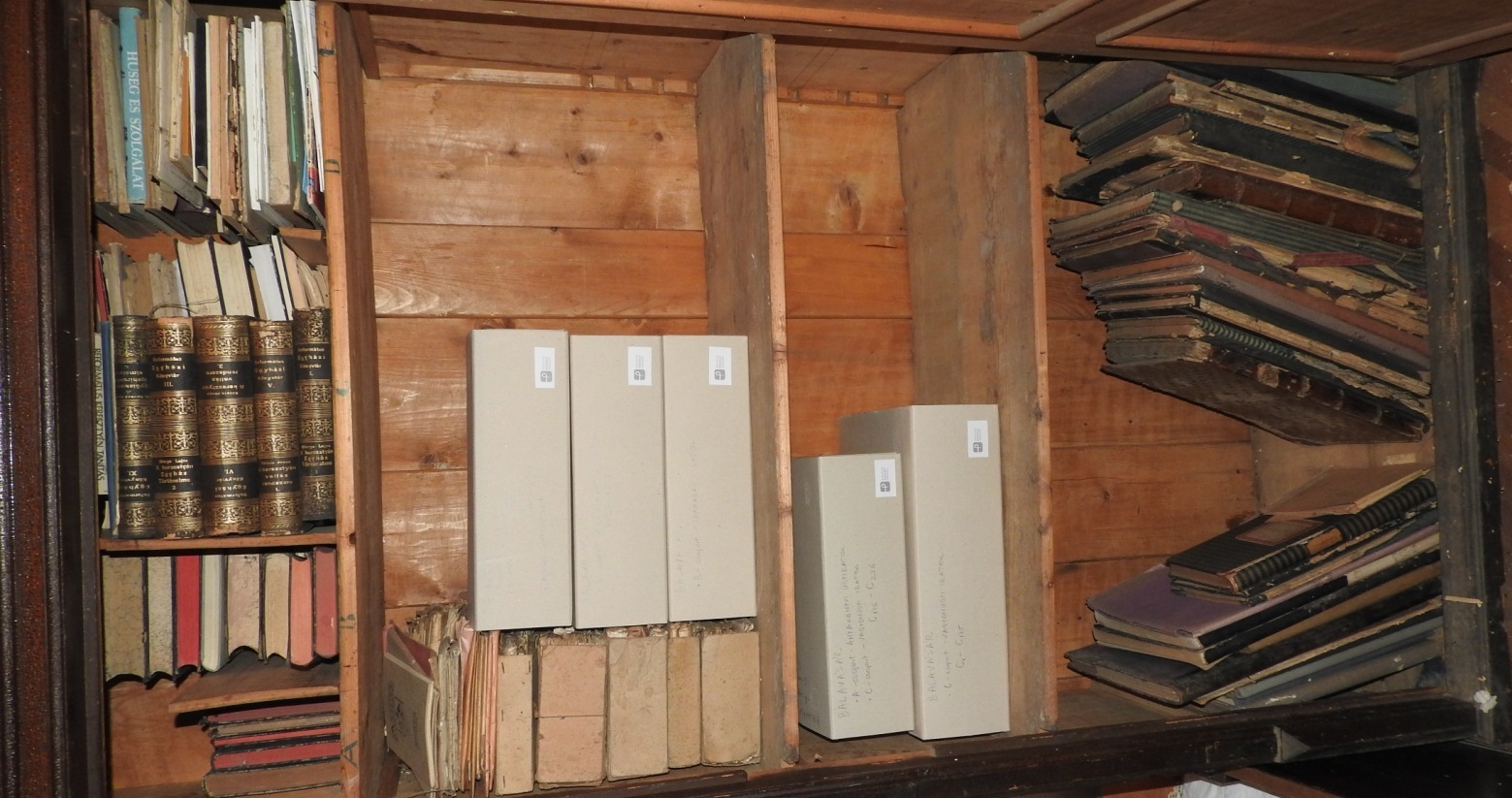
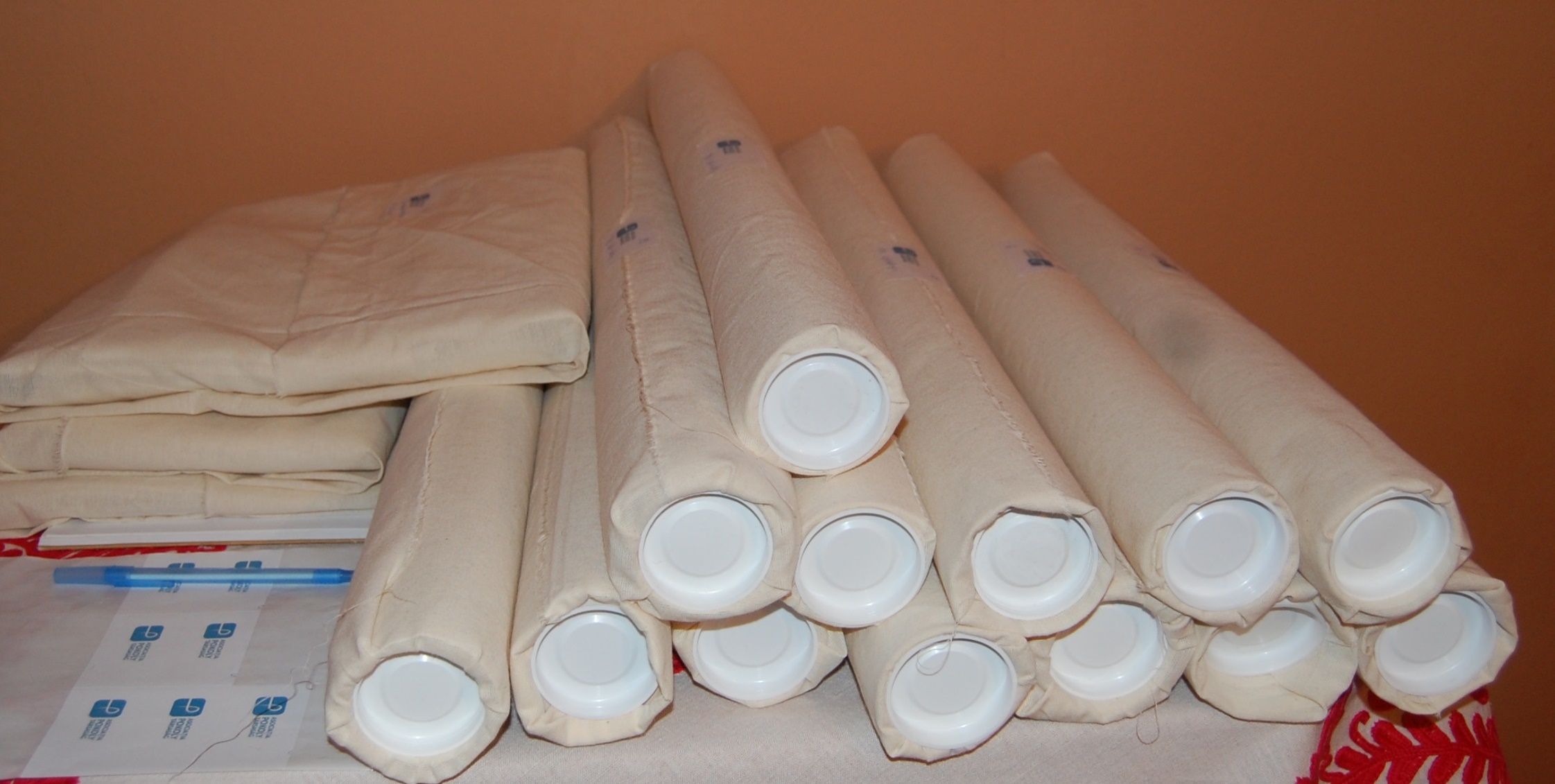
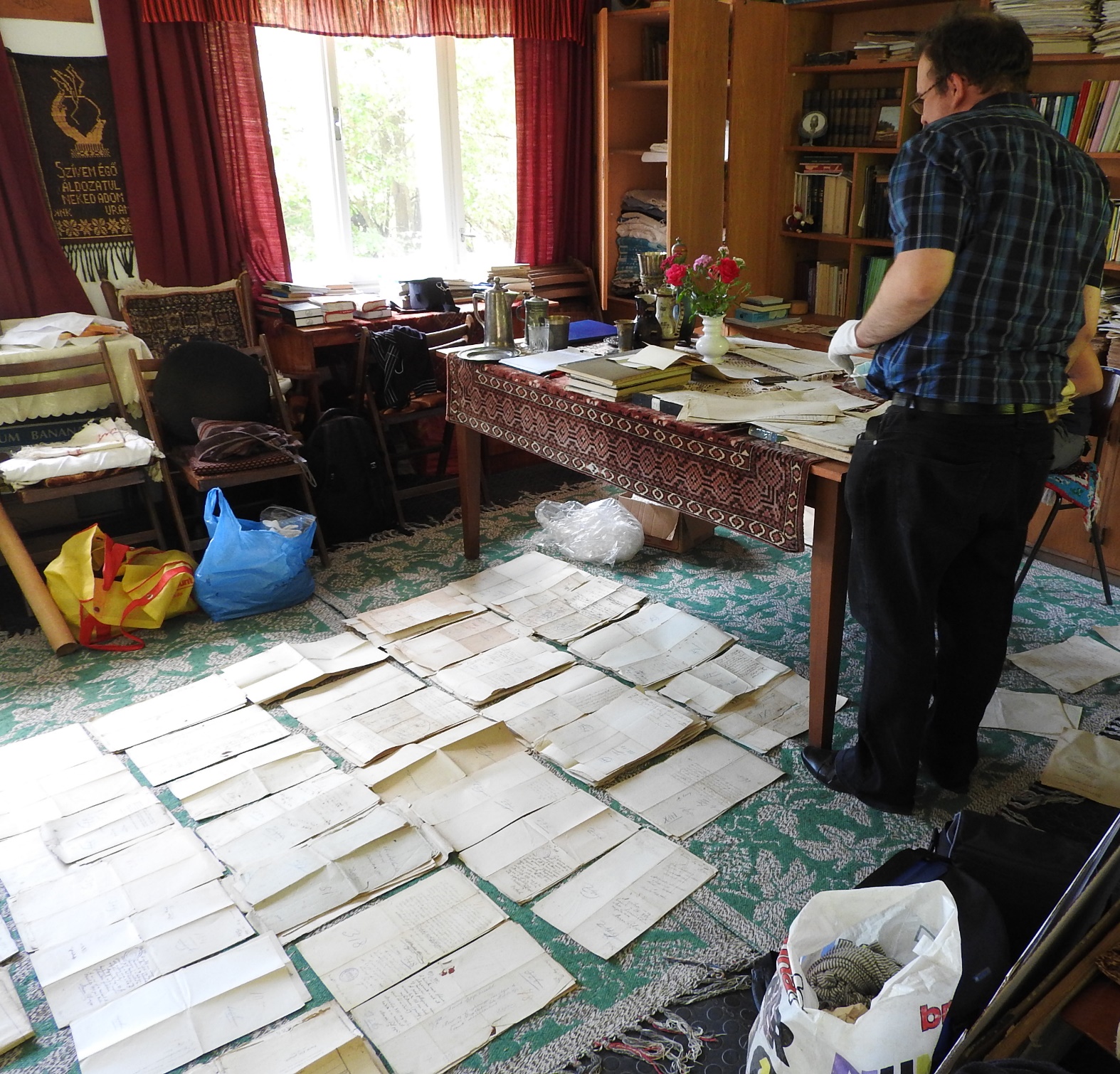
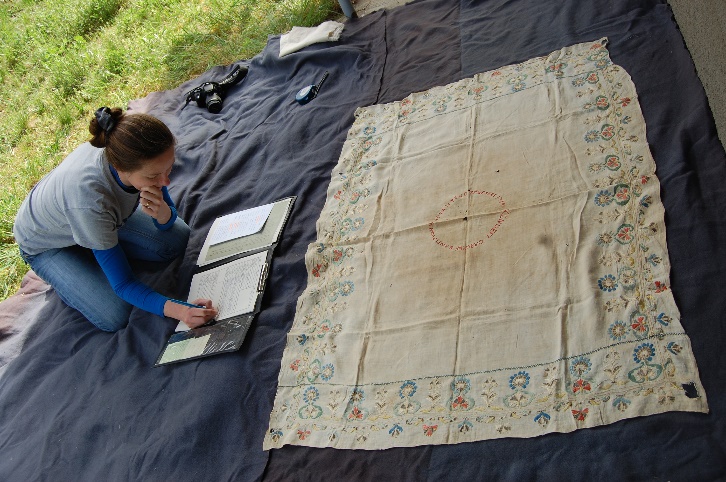
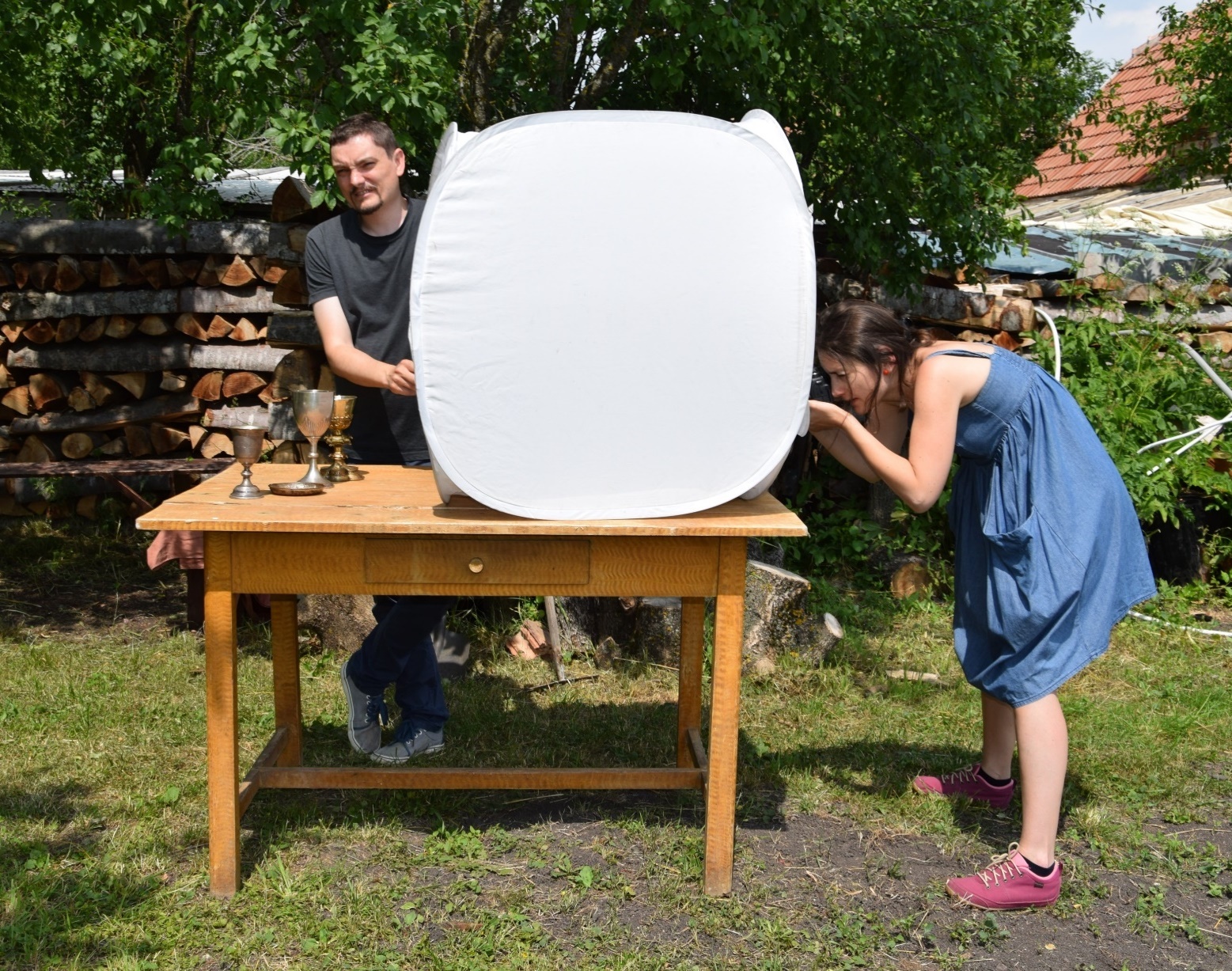
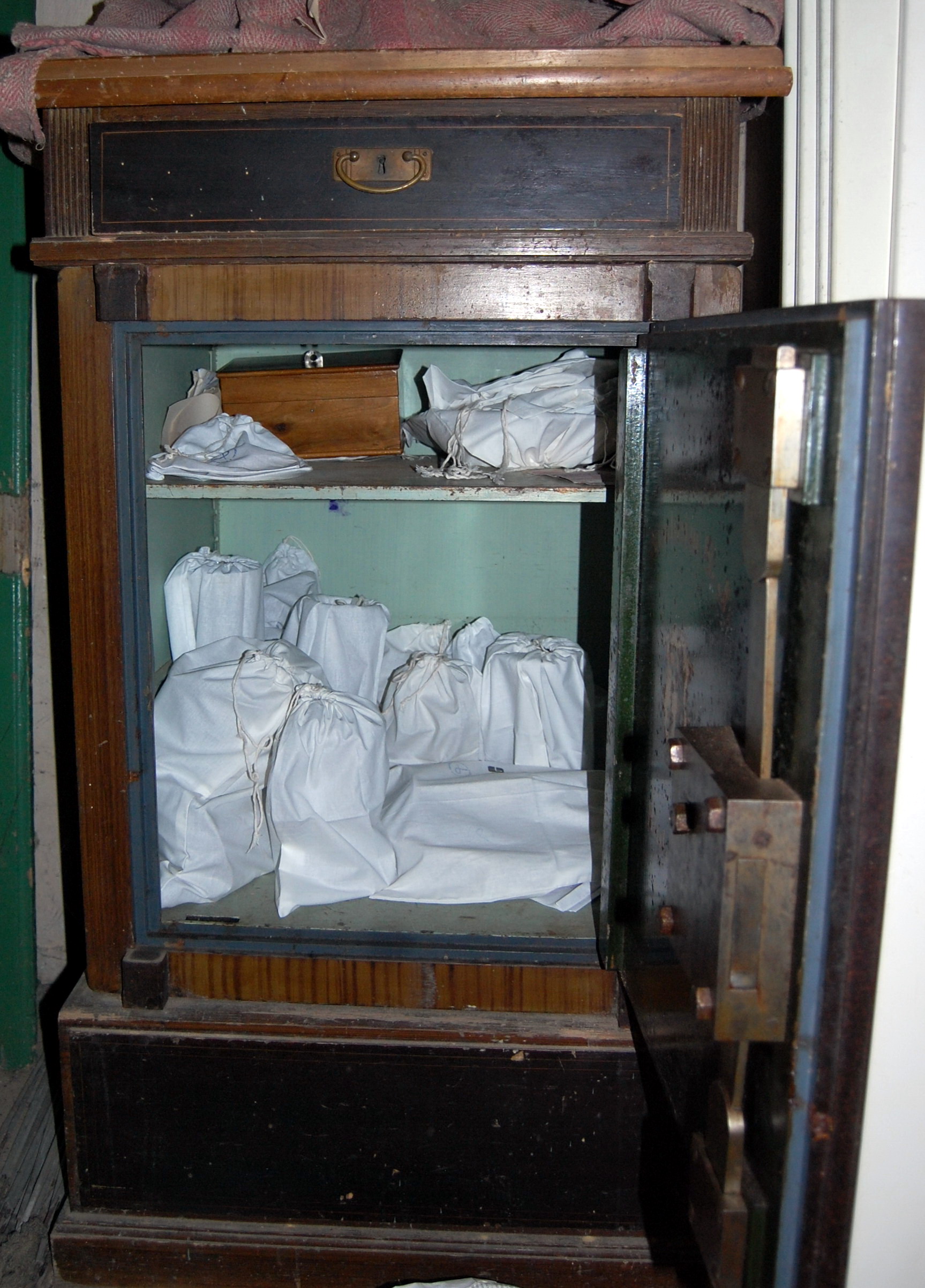
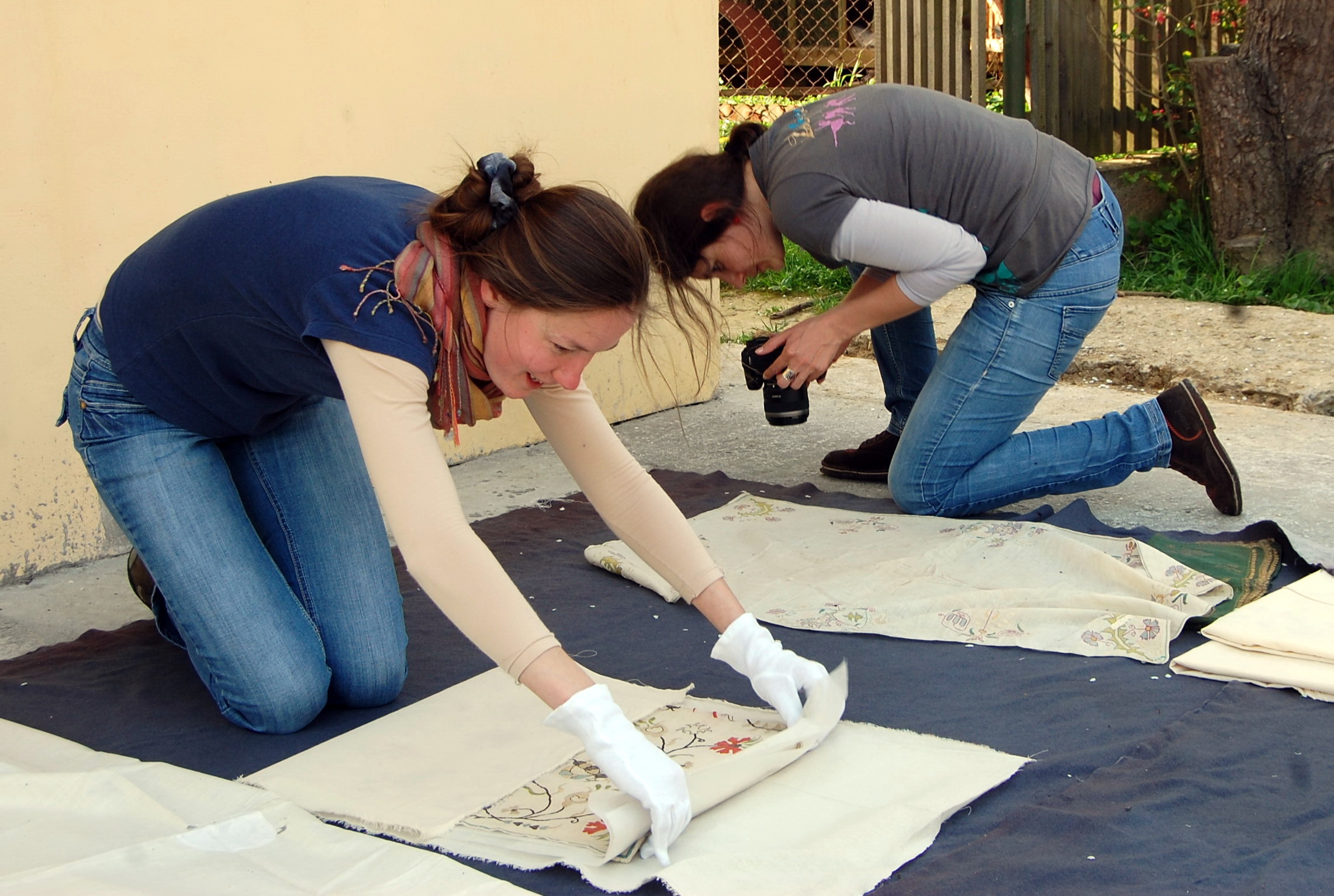
Thanks to this support, by November 2025 detailed documentation of the art objects of all 670 congregations belonging to the Transylvanian Reformed Church District had been completed. The systematic organization also extended to congregational material surveyed between 2005 and 2016 through the earlier grant-funded projects; here it proved an enormous help that, at these sites, the objects only needed to be organized and packed. The working method developed thanks to nearly two decades of accumulated experience greatly contributes to the efficiency of the on-site work. Following a condition assessment, group members carried out the examination of the object categories corresponding to their respective specializations. During the work, a detailed data sheet and photographic documentation were prepared for every object, and the archival documents were cleaned, organized, and digitized. As part of the protective packaging, the church plates were placed into individually tailored linen bags. The 17th–18th century textiles were placed one by one on cardboard rolls between sheets of acid-free board; Japanese tissue paper was placed between the layers of objects embroidered with metal thread, which were then covered with cloth. The label attached to the protective packaging records the object’s key identifying data. Finally, bearing conservation considerations in mind, the objects remained in their original location wherever possible. After the archival organization, the bundles of documents were placed in pallium folders and then into acid-free archival boxes, on which their contents were also briefly noted. During the on-site work, there was also an opportunity to draw the ministers’ attention to the valuables held by their congregation and to how they can ensure its preservation. Thanks to the relationships thus formed, an increasing number of parish leaderships are turning to the museum’s and the archive’s specialists for advice on conservation or restoration.
The competence of the Transylvanian Reformed Museum does not extend to the transfer or transport of endangered art objects; it can only make a recommendation to that effect. In some cases, ministers hand over for safekeeping objects from diaspora or defunct congregations, and in some places objects no longer in use are deposited with the museum. This is mostly because the congregation no longer uses the objects due to damage or their material (chiefly pewter/tin), or, particularly in the case of textiles, because of storage difficulties. Thus, although the museum’s collection is growing, its holdings are not characterized by the highest-quality or most valuable art objects. Regarding the archival holdings, the Board of Directors of the Transylvanian Reformed Church District had already passed a resolution back in 2002 requiring that the records of congregations undergoing dispersal be deposited in the Transylvanian Reformed Church District Archive or in one of the deanery archives.
Processing the data gathered on site is a lengthy process. At the request of the Church District, a concise, illustrated, inventory-style listing is prepared for the art objects, while an itemized register is prepared for the archival material, for the use of the congregations, the deanery offices, and the church district. A well-built database would be indispensable for navigating the large volume of data and photographic documentation.
An earlier version of this text was published:
T. Horváth Iringó: Ingóságok értékmentése az Erdélyi Református Egyházkerületben. In: Collegium Doctorum, 21. (2025/1), 35–39.